

『Flo Tech Flow Meter Sizing: Volumetric and Turbine Sensors for Industrial Fluid Control』Related information(flow rotameter|digital flow meter|balo meter|hydraulic flow meter|volumetric meter|positive displacement meter|pitot tube flow meter|displacement meter|cfm meter|variable area flow meter|inline flow meter|differential pressure flow meter|calibrated flow meter|velocity meter|paddle wheel flow meter|oval gear flow meter|anemometer hvac|multiphase flow meter|doppler flow meter|thorpe tube flowmeter|heat flow meter)
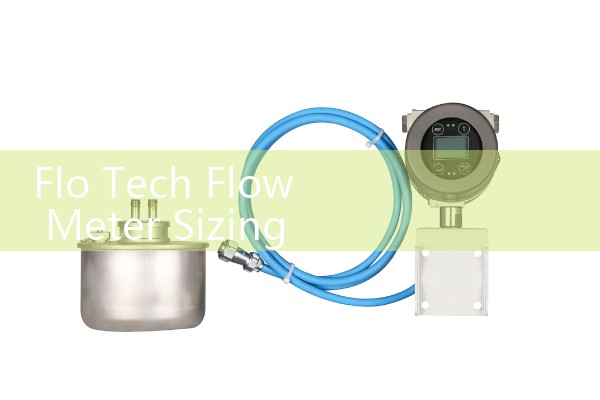
Flo Tech Flow Meter Sizing: Volumetric and Turbine Sensors for Industrial Fluid Control
Quick Answer: Use a volumetric meter for viscous fluids and low flow rates. Use a turbine sensor for clean, low viscosity water and fuel lines. Send pipe size (DN), flow range, pressure (bar), temperature (°C), and viscosity (cP) to Silver Automation Instruments for a specific size check.
Why Flow Meter Sizing Starts With Pipe Data and Fluid Properties
Most engineers skip this part. But pipe size alone is not enough for Flo Tech flow meter sizing. A DN25 pipe can carry 5 L/min or 50 L/min, and the sensor must fit that actual range.
Sizing starts with four inputs: pressure, temperature, viscosity, and flow range. Pressure affects bearing load and sensor body rating. Temperature changes oil viscosity and material expansion. Viscosity changes meter linearity. Flow range sets the meter size and type.
We have seen this on customer sites many times. A water treatment plant in Malaysia sized a turbine meter by pipe size only. The meter ran below its cut-off at night and the totalizer missed low flow. The fix was a smaller DN20 meter with a lower minimum flow.
Volumetric Sensor Sizing for Low and High Viscosity Fluids
Oval gear and gear flow sensors measure volume by counting fixed pockets. Because the chambers are physical, they work well with lubricating fluids and high viscosity oils. Typical applications include diesel fuel, lube oil, palm oil, heavy fuel oil, and adhesives.
For volumetric flow meter sizing, look at flow range, viscosity, and pressure drop. A paint manufacturer in Southeast Asia used a DN15 oval gear meter for resin flow from 1 L/h to 40 L/h at 80 cP. Standard rotors stalled below 2 L/h, so they needed a special low-flow rotor.
Silver Automation Instruments supplies oval gear meters from DN4 to DN80. Standard flow ranges go from 0.2 L/h to 60 m3/h. Body materials include aluminum, cast iron, and 316 stainless steel. Gears come in PPS, PTFE, and stainless steel. If viscosity exceeds 1000 cP, a larger body or a heated sensor may be required to reduce pressure drop.
Turbine Sensor Sizing for Clean, Low Viscosity Lines
Turbine flow meters use a rotor in the flow stream. Each rotor blade generates a pulse. The meter converts pulses to flow volume. Turbine sensors work best with clean water, reverse osmosis water, light fuels, and low viscosity chemicals.
For Flo Tech flow meter sizing on a turbine sensor, the linear range is key. A DN15 turbine may measure 0.5 to 15 L/min, but the top end depends on pressure. A DN50 turbine may cover 10 to 250 L/min. Running a turbine below its minimum flow creates slip error. Running it above maximum flow shortens bearing life.
Back pressure matters in turbine sizing. If the liquid flashes or cavitates, the rotor can overspeed. A chemical dosing line in Vietnam used a DN10 turbine for acetone. The downstream pressure was too low. The rotor spun too fast and the signal became unstable. A small back pressure valve solved the problem. So when you size a turbine meter, include downstream pressure in the request.
Comparing Volumetric and Turbine Sensors in Practice
In practice, volumetric meters handle dirty and viscous liquids more easily. Turbine meters cost
Here is a practical selection guide. Choose an oval gear meter for flow rates from 0.2 L/h to 250 L/min and viscosity from 1 cP to 1000 cP. Choose a turbine meter for flow rates from 0.5 L/min to 4000 L/min and viscosity from 0.5 cP to 5 cP. For abrasive slurries, neither meter is ideal. Call us with your solids content and we will recommend a different sensor.
Recommended Model Pairs for Common Industrial Applications
For diesel generator monitoring in Southeast Asia, size a DN15 oval gear meter model SAI-OG-15. A typical range is 1 to 60 L/min at 2 to 15 cP. The meter body can be aluminum with PPS gears. It gives a local total and a pulse output.
For reverse osmosis water lines in the Middle East, size a DN25 turbine meter model SAI-TF-25. A typical range is 8 to 100 L/min at 0.7 cP and 20 °C. Use a 316 stainless steel body and a flow transmitter with 4-20 mA HART output.
For edible oil batching in Australia, size a DN20 oval gear meter model SAI-OG-20PTFE with tri-clamp ends. A typical range is 3 to 80 L/min at 30 to 100 cP and 40 °C. Silver Automation Instruments can supply a local batch controller with relay output.
For chemical solvent transfer in Latin America, size a DN15 turbine meter model SAI-TF-15PTFE with ceramic bearings. A typical range is 1 to 20 L/min at 0.8 cP. Include a pulse divider if the PLC counter is too slow.
FAQ: Five Sizing Questions Engineers Ask Before Requesting a Quote
Q: We have a DN40 pipe. Can we install a DN25 flow meter?
A: Yes. Reducing the line to fit a smaller meter is normal when the flow range is low. Do not size the meter by pipe size alone. Match the meter bore to the actual flow range and pressure drop.
Q: Our fluid viscosity changes with temperature. Which meter should we use?
A: A volumetric meter is more tolerant of viscosity change. Turbine meters need a stable viscosity to keep pulses linear. If viscosity varies more than 10 percent, send us the cold and hot cP values.
Q: Can a turbine meter measure diesel fuel?
A: Yes, if the diesel is clean and viscosity stays in the 2 to 15 cP range. For dirty or high viscosity diesel, use an oval gear meter. It handles lubricity better and gives a repeatable total.
Q: What data do you need for a fast sizing answer?
A: Send us pressure (bar), temperature (°C), pipe size (DN), flow range, fluid name, and viscosity (cP). Add output preference such as pulse, 4-20 mA, or Modbus. We can reply within 24 hours.
Q: Do we need a strainer before a turbine meter?
A: Yes, in most clean water and fuel lines a 60 mesh strainer protects the rotor and bearings. In viscous oil service, a strainer can add pressure drop. Check the strainer size with the meter supplier.
Tell Silver Automation Instruments your pressure (bar), temperature (°C), pipe size (DN), and flow range. Our engineers will confirm the right Flo Tech flow meter sizing for volumetric and turbine sensors. Tel: +86-25-68650347. Whatsapp: +86-25-52155837. WeChat: +86 15365082610.
 Hot News
 Related AD