Current position > Product detail
DN15 low flow meter
『DN15 low flow meter』Related information(flow rotameter|digital flow meter|balo meter|hydraulic flow meter|volumetric meter|positive displacement meter|pitot tube flow meter|displacement meter|cfm meter|variable area flow meter|inline flow meter|differential pressure flow meter|calibrated flow meter|velocity meter|paddle wheel flow meter|oval gear flow meter|anemometer hvac|multiphase flow meter|doppler flow meter|thorpe tube flowmeter|heat flow meter)
 **Understanding the DN15 Low Flow Meter: Precision Measurement for Small-Scale Applications**
In the world of fluid measurement, accuracy and reliability are paramount. Among the various instruments available for monitoring fluid flow, the **DN15 low flow meter** stands out as a specialized device designed to measure small volumes of liquid or gas with high precision. The term "DN15" refers to a nominal diameter of 15 millimeters, which corresponds to a pipe size commonly used in residential, commercial, and light industrial systems. This article explores the characteristics, working principles, applications, and benefits of DN15 low flow meters.
### What is a DN15 Low Flow Meter?
A DN15 low flow meter is a flow measurement device engineered to handle relatively small flow rates through a 15 mm diameter pipe. "Low flow" typically means the meter is optimized for rates ranging from a few liters per hour (L/h) up to several hundred liters per hour, depending on the medium and design. These meters are built to detect even minor changes in flow, making them essential for applications where precise dosing, consumption tracking, or leak detection is required.
### How Does It Work?
The operating principle of a DN15 low flow meter varies by type, but common technologies include:
- **Turbine Flow Meters**: A rotor spins as fluid passes through, with the rotational speed proportional to flow rate. They are cost-effective and suitable for clean liquids.
- **Positive Displacement (PD) Meters**: These use gears or pistons to capture fixed volumes of fluid, offering high accuracy for low-flow applications, especially with viscous liquids.
- **Ultrasonic Flow Meters**: Using sound waves to measure velocity, these meters are non-i
**Understanding the DN15 Low Flow Meter: Precision Measurement for Small-Scale Applications**
In the world of fluid measurement, accuracy and reliability are paramount. Among the various instruments available for monitoring fluid flow, the **DN15 low flow meter** stands out as a specialized device designed to measure small volumes of liquid or gas with high precision. The term "DN15" refers to a nominal diameter of 15 millimeters, which corresponds to a pipe size commonly used in residential, commercial, and light industrial systems. This article explores the characteristics, working principles, applications, and benefits of DN15 low flow meters.
### What is a DN15 Low Flow Meter?
A DN15 low flow meter is a flow measurement device engineered to handle relatively small flow rates through a 15 mm diameter pipe. "Low flow" typically means the meter is optimized for rates ranging from a few liters per hour (L/h) up to several hundred liters per hour, depending on the medium and design. These meters are built to detect even minor changes in flow, making them essential for applications where precise dosing, consumption tracking, or leak detection is required.
### How Does It Work?
The operating principle of a DN15 low flow meter varies by type, but common technologies include:
- **Turbine Flow Meters**: A rotor spins as fluid passes through, with the rotational speed proportional to flow rate. They are cost-effective and suitable for clean liquids.
- **Positive Displacement (PD) Meters**: These use gears or pistons to capture fixed volumes of fluid, offering high accuracy for low-flow applications, especially with viscous liquids.
- **Ultrasonic Flow Meters**: Using sound waves to measure velocity, these meters are non-i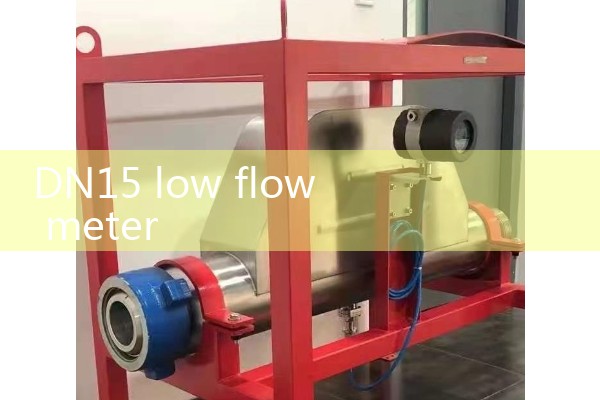 nvasive and work well with both liquids and gases.
- **Coriolis Flow Meters**: Directly measuring mass flow by analyzing vibrations in a tube, they provide exceptional accuracy but are more expensive.
For DN15 low flow applications, **positive displacement** and **turbine meters** are particularly common due to their ability to maintain accuracy at lower flow rates.
### Key Applications
DN15 low flow meters are widely used in scenarios where precise measurement of small flows is critical:
- **Water and Energy Management**: Monitoring consumption in apartments, small offices, or individual units in multi-family buildings. They help detect leaks and encourage conservation.
- **Chemical Dosing**: In water treatment, agriculture, or industrial processes, they ensure accurate injection of additives like chlorine, fertilizers, or pH adjusters.
- **Medical and Laboratory Equipment**: In dialysis machines, infusion pumps, or analytical instruments, where precise liquid delivery is vital for safety and results.
- **Heating and Cooling Systems**: Measuring flow in HVAC systems, solar thermal loops, or underfloor heating to optimize energy efficiency.
- **Oil and Fuel Monitoring**: Dispensing small amounts of lubricants, fuels, or hydraulic oils in machinery or vehicles.
### Advantages of DN15 Low Flow Meters
- **High Accuracy**: Even at minimal flow rates, these meters deliver reliable readings, often with error margins below ±1%.
- **Compact Size**: The DN15 design allows easy installation in tight spaces without requiring significant pipe modifications.
- **Low Pressure Drop**: Many designs minimize resistance, preserving system efficiency.
- **Durability**: Materials like brass, stainless steel, or engineering plastics re
nvasive and work well with both liquids and gases.
- **Coriolis Flow Meters**: Directly measuring mass flow by analyzing vibrations in a tube, they provide exceptional accuracy but are more expensive.
For DN15 low flow applications, **positive displacement** and **turbine meters** are particularly common due to their ability to maintain accuracy at lower flow rates.
### Key Applications
DN15 low flow meters are widely used in scenarios where precise measurement of small flows is critical:
- **Water and Energy Management**: Monitoring consumption in apartments, small offices, or individual units in multi-family buildings. They help detect leaks and encourage conservation.
- **Chemical Dosing**: In water treatment, agriculture, or industrial processes, they ensure accurate injection of additives like chlorine, fertilizers, or pH adjusters.
- **Medical and Laboratory Equipment**: In dialysis machines, infusion pumps, or analytical instruments, where precise liquid delivery is vital for safety and results.
- **Heating and Cooling Systems**: Measuring flow in HVAC systems, solar thermal loops, or underfloor heating to optimize energy efficiency.
- **Oil and Fuel Monitoring**: Dispensing small amounts of lubricants, fuels, or hydraulic oils in machinery or vehicles.
### Advantages of DN15 Low Flow Meters
- **High Accuracy**: Even at minimal flow rates, these meters deliver reliable readings, often with error margins below ±1%.
- **Compact Size**: The DN15 design allows easy installation in tight spaces without requiring significant pipe modifications.
- **Low Pressure Drop**: Many designs minimize resistance, preserving system efficiency.
- **Durability**: Materials like brass, stainless steel, or engineering plastics re『SILVER Official Website SERVICE』
User:flowmetermanufacturer28891Last Time:07/22/2026