

 Current position > Product detail
『Asphalt Flow Meter 100 L/h: Fine-Tuning Micro-Batching Industrial Skids』Related information(flow rotameter|digital flow meter|balo meter|hydraulic flow meter|volumetric meter|positive displacement meter|pitot tube flow meter|displacement meter|cfm meter|variable area flow meter|inline flow meter|differential pressure flow meter|calibrated flow meter|velocity meter|paddle wheel flow meter|oval gear flow meter|anemometer hvac|multiphase flow meter|doppler flow meter|thorpe tube flowmeter|heat flow meter)
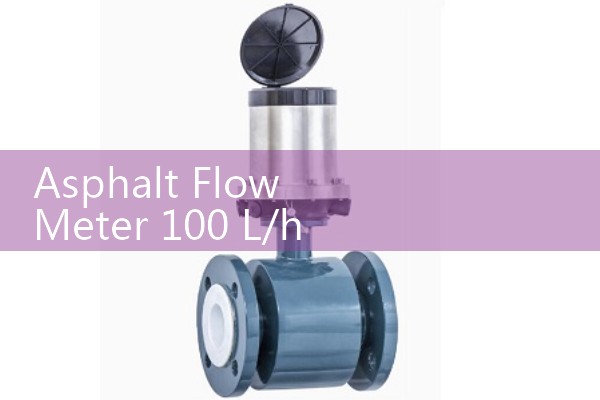
Asphalt Flow Meter 100 L/h: Fine-Tuning Micro-Batching Industrial Skids
Quick Answer: A heated oval gear positive displacement meter with a DN15 body and 4-20 mA HART output is the most repeatable way to dose 100 L/h hot asphalt on a micro-batching skid. Engineers need to add a PT100 jacket, keep back pressure above 2 bar, and size the chamber for actual working viscosity. We recommend a meter with tungsten carbide bearings to handle the abrasive filler often found in modified bitumen.
What Makes 100 L/h Asphalt Dosing Different
A 100 litre per hour flow sounds small. But when you are injecting that exact volume into a 500 kg mixer every 45 seconds, small errors ruin the batch formula. In practice, most general purpose flow meters drift badly here. The liquid is non-Newtonian, moves at a crawl inside the pipe, and stops hard between shots. A batching skid for waterproofing membrane production or polymer modified bitumen blending cannot afford overshoot. Here is the thing: at this low velocity, even a 2 mm air pocket inside the measuring chamber causes a 6 percent offset. Silver Automation Instruments has seen this on customer sites many times across Southeast Asia and the Middle East.
Why Oval Gear Wins Over Coriolis at 100 L/h
Coriolis meters need a stable, full pipe and damping for viscous fluids. On a typical skid, the asphalt delivery line often pulses because most operators use a gear pump right upstream. That pulse train confuses the Coriolis drive coil. An oval gear meter does not care about pulsating flow because it measures fixed pockets of fluid mechanically. With heated jacketed housing and PT100 sensors, the meter body stays above 160 °C so the bitumen never waxes up. We fit DN15 (half inch) chambers with hardened internals for flows from 20 to 200 L/h. Accuracy stays within plus or minus 0.5 percent of rate across a 100 cP to 10 000 cP range. For a skid delivering 100 L/h of penetration grade 60/70 bitumen at 165 °C, that performance is exactly what the batching controller needs.
Skid Integration Details Most Engineers Skip
One overlooked detail is the low flow cut-off. At 100 L/h, the meter output is about 28 mL per pulse if you use a standard high resolution transmitter. That is already a fine grain for micro batching. But the real trick is setting the batch controller pre-stop value based on the valve closing time. A 3-way ball valve with pneumatic actuator takes about 0.8 seconds to shift. During that shift, roughly 22 mL of extra bitumen can slip through. You need to subtract that volume in your PLC logic. We always ask for the exact valve actuator spec when we size meters for skid builders in Australia and Latin America. Also, never mount the meter on a vibration source. A small movement at 100 L/h makes the oval gear rotors slip and deliver partial volumes.
Heating Jacket and Temperature Compensation
Asphalt viscosity drops sharply when temperature rises from 140 °C to 180 °C. A 10 °C swing changes the meter mechanical efficiency and slips the internal clearance. That is why we embed a PT100 directly into the meter housing, not just on the pipe wall. The heated jacket uses thermal oil or electric trace heating with a local thermostat. Silver Instruments supplies premachined jacket chambers ready for DN15 and DN25 connections. For a micro-batching skid rated at 100 L/h, we normally set the jacket heating to maintain 165 °C at the measuring chamber inlet. Some of our customers in Indonesia run a small heated r
Real Application: A Modified Bitumen Skid in Vietnam
Last year a customer in Vietnam asked us to replace a failing Coriolis meter on an asphalt additive micro-batching skid. The flow was 100 L/h of SBS modified bitumen with fine crumb rubber particles. The Coriolis tubes were plugging every two weeks. We installed a jacketed oval gear meter with hard chrome coated rotors and tungsten carbide bearing pins. The meter has been running for 14 months with zero maintenance and no drift in batch weight. The plant engineer now reads batch totals via 4-20 mA HART signal directly into their Siemens PLC, and batch accuracy is consistently within 120 grams for a 12 kg shot. That kind of repeatability is why we specify positive displacement meters for any hot binder micro batching under 200 L/h.
Key Parameters to Size Your Meter Correctly
When you send us an inquiry, please include the actual bitumen grade (penetration index or PG grade), the pumping temperature in degrees Celsius, the operating pressure at the meter inlet, and the pipe size (DN) or connection thread (NPT). Also tell us if the process contains fillers like limestone powder or crumb rubber. That determines bearing material choice. For hazardous areas, we can build the meter with ATEX Zone 1 or Zone 2 transmitter approvals. Our typical delivery lead time for a custom jacketed oval gear skid meter is four weeks from Silver Automation Instruments headquarters to ports in Dubai, Jakarta or Santiago.
Frequently Asked Questions About Asphalt Micro-Batching Flow Meters
What flow meter type works best for 100 L/h asphalt micro-batching?
A heated positive displacement oval gear meter gives the most repeatable results. At this low flow, a DN15 chamber with a 4-20 mA HART transmitter and a PT100 jacket avoids slipping and wax plugging. Coriolis meters often struggle with pulsating gear pump outputs in these small lines.
Why is temperature compensation so important for an asphalt flow meter at 100 L/h?
Bitumen viscosity changes dramatically with temperature. A 10 °C drop can thicken the fluid enough to increase meter slippage and offset batch weight by 3 to 5 percent. A built-in PT100 sensor lets the PLC or batch controller apply real time viscosity correction.
Can the same oval gear meter handle polymer modified bitumen with crumb rubber?
Yes, but you must specify hard chrome plated rotors and tungsten carbide bearings. Standard carbon graphite bearings wear out too fast when fine rubber particles pass through the measuring chamber. We have supplied such hardened meters for skids in Thailand and Saudi Arabia.
What output signal should I select for a PLC controlled micro-batching skid?
Use a 4-20 mA HART output with pulse scaling. The HART signal gives the PLC a continuous flow rate for monitoring, while pulse output triggers the precise batch pre-stop and shut-off sequences. Make sure the pulse resolution is better than 1 pulse per 20 mL.
How do I avoid bitumen freezing inside the flow meter between batches?
Keep the jacketed housing temperature at least 10 °C above the softening point of your bitumen grade. A small heated recirculation loop back to the supply tank keeps the meter chamber primed and prevents cold start blockages.